

What You Need To Know Before You Train Your Dog
When training your dog, it’s important to know the fundamentals. This includes understanding they’re a dog, comprehending learning theory, setting a clear goal, and maintaining communication. Many people think that dog trainers are like dog whisperers, but in reality, we simply pay attention to the dog’s behavior and adjust our training approach accordingly. We establish a plan to help the dog understand what we want them to do, which is our ultimate goal! Dog training is about communication and understanding, not mystical abilities like how some dog training celebrities want you to believe.
In short, to be successful at training your dog, you must:
- Understand Dogs as Dogs
- Understand the Basics of Learning Theory
- Set Clear Goal(s)
- Maintain Communication

Anthropomorphizing: “He knows what he did!”
One common challenge I observe among dog owners is viewing their furry friend as a human and disregarding their animal nature, in other words anthropomorphizing. The risk of projecting complex human emotions or expectations onto them is that it can lead to conflict in the relationship. Anthropomorphizing can result in unrealistic expectations, inappropriate responses to normal dog behavior, and misunderstanding of the dog’s needs and wants.
Pretty much, Anthropomorphizing can lead to CONFLICT.
For example, some owners believe their dogs are capable of spite, and when the dog misbehaves, they assume it is doing so purposely to get revenge! But, according to Stanley Coren, a professor of psychology, dogs are only capable of feeling basic emotions such as happiness, fear, anger, and disgust. He argues that they do not possess complex emotions like guilt, shame, or pride. Coren bases his belief on studies that have shown dogs produce similar brain activity when experiencing certain emotions as humans. Additionally, he notes that dogs rely on facial expressions, body language, and vocalizations to communicate their emotions, which suggests they are aware of their own feelings and those of others. Doesn’t it feel nice knowing your dog isn’t being spiteful?!
A Brief Overview Of Learning Theory
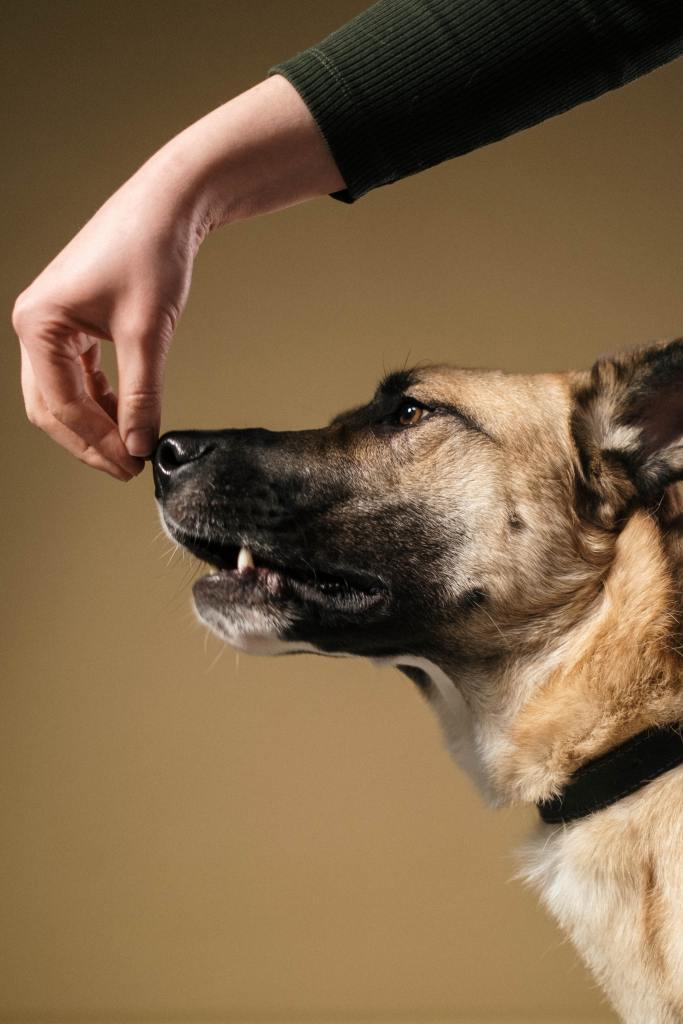
Learning theory is the study of how animals learn. It explores different ways that we can teach skills and improve/change behavior. There are many different learning theories, but they generally fall into two categories: Classical Conditioning and Operant Conditioning.
Classical conditioning is like when you hear a song on the radio, and every time you hear it, you start singing the chorus. Your brain has learned to associate the song with singing the chorus. It’s like when you smell fresh cookies and your mouth waters because your brain has learned to associate the smell of cookies with the taste of cookies. Classical conditioning is about learning through association. We learn to associate one thing (like the cookie) with another thing (like the taste), and our body starts to respond automatically. It’s like a reflex – we don’t even have to think about it.
This is where we can get scientific,
Classical conditioning is a type of learning that occurs when a neutral stimulus becomes associated with a reflex response through repeated pairing with an unconditioned stimulus. In other words, a previously neutral stimulus begins to elicit a response because it is consistently paired with a stimulus that naturally triggers that response. For example, a dog might start salivating at the sound of a bell if the bell has been repeatedly associated with receiving food. This process is also known as Pavlovian conditioning, named after the Russian physiologist Ivan Pavlov who first studied it in dogs. He essentially is the reason dog training exists.
Operant conditioning is a type of learning where we learn from the consequences of our actions. It’s like when you do something and if it’s good, it makes you feel happy and you want to do it again. But if it’s bad, it makes you feel sad and you don’t want to do it again. In dog training, this type of learning is where a dog’s behavior is shaped by consequences.
For dog training purposes, consequences can be good or bad.
For example, if the dog does something good, like sitting on command, it might get its favorite treat, which increases the likelihood of the behavior happening again in the future. Operant conditioning with punishments involves presenting a negative consequence after an undesirable behavior is exhibited, making the behavior not likely to happen in the future. For example, in dog training, a negative consequence could be a correction on a training collar or a loud noise to let the dog know it made the wrong choice. The key to using punishment effectively in operant conditioning is to ensure that it is consistent and administered immediately following the behavior in question.
(As a dog trainer, I would like to recommend seeking the assistance of a trained professional to learn how to correct your dog in a way that it would understand. Timing and proper use of a training collar are crucial in corrections, and a trainer would be able to provide you with the necessary guidance and support, a list of recommended dog trainers in San Antonio to come in the near future.)
Setting Clear Goals
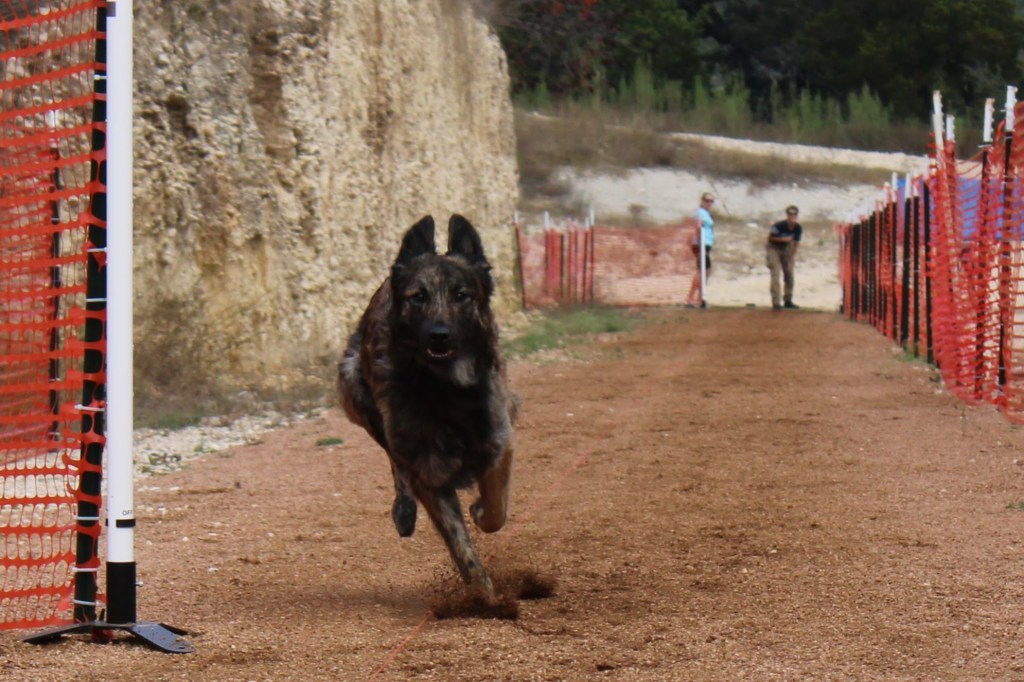
To achieve effective dog training, focusing on clear and specific goals is crucial. Rather than dwelling on what your dog shouldn’t do, concentrate on what you would rather have your dog do, and work towards achieving that goal. It’s important to start with small steps and gradually communicate your expectations to your dog. This will assist in establishing a positive and effective line of communication with your dog. At first, it may seem difficult and frustrating, but with time and effort, it becomes easier and easier.

Maintaining Communication
Maintaining communication in dog training involves consistency, fairness, and clarity. It means consistently following through with training, being fair in correcting behavior, and using clear marker words to communicate with your dog. It’s important to remember that effective communication requires both speaking and listening. In addition, to communicate effectively with dogs, it’s essential to learn their body language. This involves observing their cues and behavior and using that information to understand the situation at hand. One example of dog body language is when a dog wags its tail loosely and its body is relaxed, it indicates a friendly and happy demeanor. However, if the tail is stiff and held high, it may signify confidence or aggression. So, not every wagging tail means a dog is friendly.
Alright, there you have it – some good dog training 101! Keep an eye out for our future blog posts where we’ll dive into specific behaviors that you can work on with your furry companion. Happy training! 🐾

 PRACTICANINES